Serving San Jacinto, CA and surrounding areas. (951) 474-1097
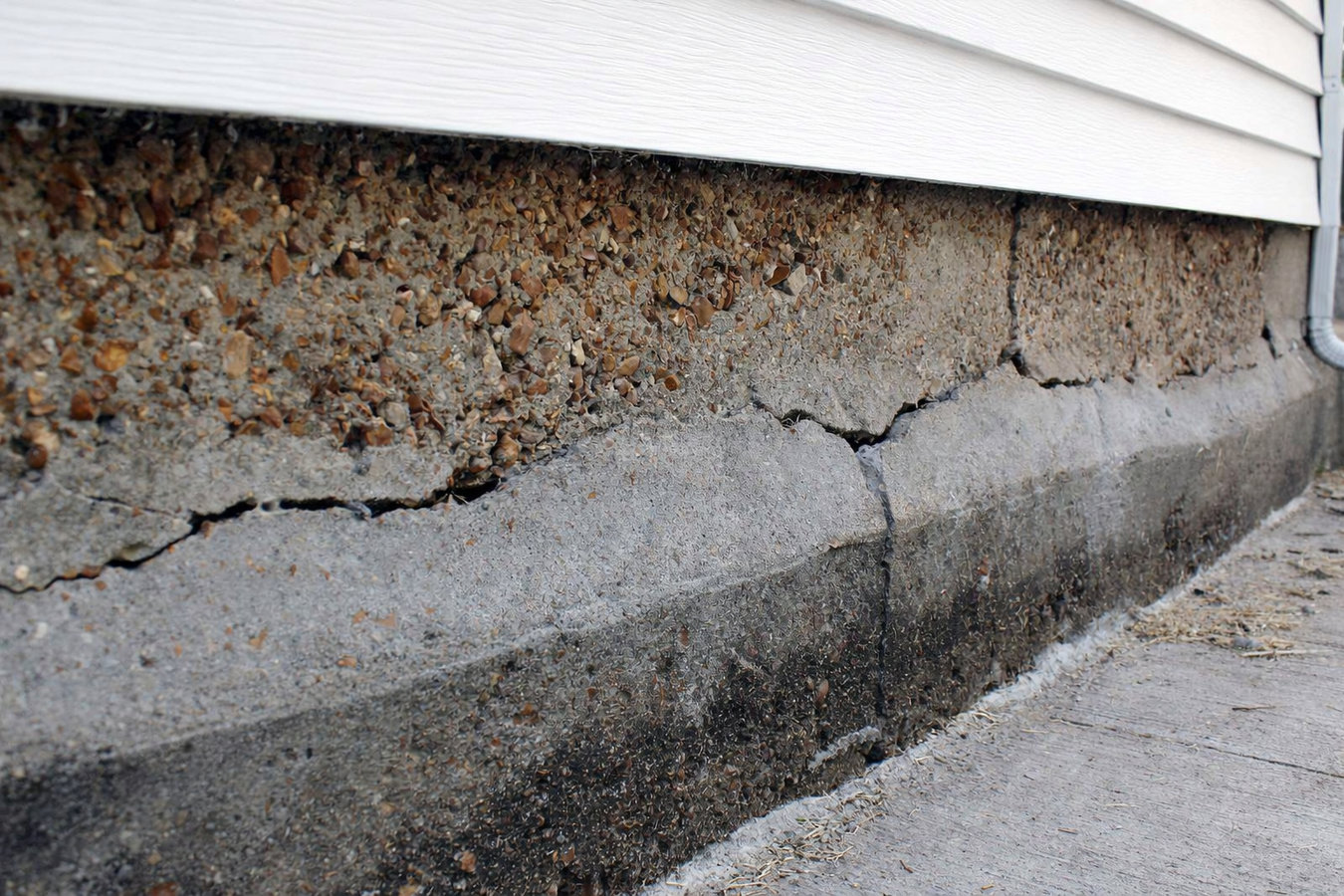
Sunken driveways, sloped garage floors, and tilted patios in San Jacinto are almost always fixable without tearing out the slab. We find the cause, lift the concrete, and get your surface level again - usually in a single visit.
Foundation raising in San Jacinto involves drilling small holes through the settled slab, pumping a lifting material underneath to fill the void and push the concrete back to level, then patching the holes before the crew leaves - most residential jobs take two to four hours, and the surface is usable again the same day.
A settled slab does not always mean the concrete is ruined. In many cases, the concrete itself is still solid - it has simply lost the soil support underneath it. The two most common approaches are traditional mudjacking, which pumps a cement-and-soil slurry under the slab, and polyurethane foam injection, which uses a lightweight expanding foam that cures faster and adds almost no weight to the ground below. Your contractor should explain which method fits your specific situation after assessing the slab in person. Homeowners whose slabs are beyond lifting often need to explore slab foundation building as the next step.
The International Concrete Repair Institute sets professional standards for concrete repair work across the country - including slab lifting. A contractor who follows those guidelines is using methods that have been reviewed and validated by the industry, which matters in a seismically active area like the San Jacinto Valley where the cause of settling can be more complex than in lower-risk locations.
When the slab beneath your home shifts, door frames and window frames shift with it. If a door that used to swing freely now drags on the floor or will not latch, or a window has started sticking in its frame, the floor level has likely changed. This is one of the earliest and most reliable signals homeowners in San Jacinto notice before calling for an inspection.
Walk along the edges of your rooms and look where the floor meets the wall. A gap that was not there before - or one that has grown wider over time - suggests the slab has dropped in that area. In San Jacinto's older neighborhoods, this is a common finding in homes built on soil that was never properly compacted.
Stand in the middle of a room and pay attention to whether the floor feels tilted. Roll a marble across the floor - if it rolls steadily in one direction, the slab has likely settled unevenly. San Jacinto's expansive clay soils can cause this kind of gradual, one-sided settling that homeowners often dismiss as normal until it gets noticeably worse.
San Jacinto gets concentrated winter rainfall, and if water is collecting against your foundation or sitting in low spots near the house, it is actively eroding the soil underneath. Over time, that erosion creates voids that cause the slab to drop. If you see standing water near your home's perimeter after a storm, address the drainage and have the foundation checked before the next rainy season.
We assess and lift settled concrete across the full range of residential surfaces: driveways, garage floors, patios, front walkways, pool deck sections, and porch slabs. Every project starts with an on-site visit where we walk the settled area, check for structural cracks, probe around the perimeter to understand the soil below, and determine whether the slab is a good candidate for lifting or whether something more involved is needed. We then provide a written estimate that breaks down the method, the scope, and the cost - before any holes are drilled. When permit requirements apply through the City of San Jacinto Building and Safety Division, we handle the application process for you.
For foundation lifting that connects to your home's structural elements, we can coordinate with related work such as concrete cutting when a section needs to be removed before lifting can proceed, or slab foundation building when replacement is the smarter long-term choice. Knowing which path is right for your specific slab is exactly what the free on-site assessment is for.
Suits homeowners with a sunken driveway apron or sloped garage floor - restored to level without tearing out a slab that is otherwise structurally sound.
For outdoor concrete that has settled unevenly - a trip hazard fixed in hours rather than days, with no major demolition required.
For slabs that are part of the home's foundation system - assessed carefully, lifted to level, and permitted through the city when the scope requires it.
San Jacinto sits in the San Jacinto Valley on a mix of expansive clay and sandy alluvial soils. Expansive clay swells when it absorbs water and shrinks when it dries out - that constant movement is one of the most common reasons slabs settle or tilt here. The wet-dry cycle in this area is pronounced: the long dry summer months cause soil to contract significantly, and then concentrated winter rainfall hits all at once. A contractor assessing a settled slab in San Jacinto should be factoring in soil type and seasonal moisture history before recommending a repair method, not just measuring how far the slab has dropped. The California Geological Survey maps this area as an active seismic hazard zone, and even minor tremors along the San Jacinto Fault can shift soil and open voids under slabs over time.
Many of the homes in San Jacinto were built in the 1970s through the 1990s, when soil compaction standards were less strict than today. Slabs poured on uncompacted fill are much more likely to settle over time - especially after decades of seasonal soil movement. Homeowners in nearby Hemet and Perris deal with the same valley soil conditions and older housing stock, which is why we apply the same root-cause assessment approach across all of our Inland Empire foundation raising jobs.
We respond within 1 business day and ask a few basic questions - where the settling is, how long you have noticed it, and whether you have seen cracks or sticking doors. This helps us come prepared. There is no charge for the on-site assessment.
The contractor walks the affected area, looks at the slab, checks for cracks, and assesses how much it has dropped. This visit results in a written estimate - not just a verbal ballpark - so you know exactly what you are committing to before any work begins.
Depending on the scope of the job, we determine whether a permit is needed through the City of San Jacinto Building and Safety Division. If required, we handle the application - you do not need to do anything except be aware it may add a few days before work begins.
The crew drills small holes through the slab, pumps the lifting material underneath, then patches the injection holes before leaving. Most residential jobs wrap up in a few hours. If foam was used, you can walk on the surface within 30 minutes - we give you specific wait times based on the method used.
We respond within 1 business day, come to your property before quoting anything, and give you a written price - no guesswork, no pressure, no obligation.
(951) 474-1097San Jacinto's mix of clay soils and proximity to the San Jacinto Fault means settling can have more than one cause. We assess what is actually happening under your slab before touching it - so the repair addresses the cause, not just the symptom.
When a permit is needed through the City of San Jacinto Building and Safety Division, we pull it and keep the work on record. That documentation protects your home's value and gives future buyers and insurers a clean paper trail.
You get a written quote after the on-site assessment - not a range, not a rough number over the phone. The price you agree to is the price you pay. If anything changes once we are on-site, we tell you before proceeding, not after.
San Jacinto Concrete Company has completed foundation raising projects throughout San Jacinto and 11 surrounding Inland Empire cities. We know the seasonal soil cycles and fault zone conditions that affect slab stability here, because this is where we work every week.
Every foundation raising project we take on in San Jacinto starts with understanding what caused the settling - not just measuring how far the slab has moved. That upfront assessment is what separates a repair that holds for a decade from one that needs repeating in two years.
When a settled slab has cracked beyond lifting, precise cutting removes the damaged section cleanly before a new pour goes in.
Learn moreFor properties where the existing slab is too far gone to raise, a full slab build starts fresh with properly compacted base material.
Learn moreSan Jacinto's rainy season accelerates soil erosion under settled slabs - call or message us today to get your free on-site assessment scheduled before the next storm cycle.