Serving San Jacinto, CA and surrounding areas. (951) 474-1097
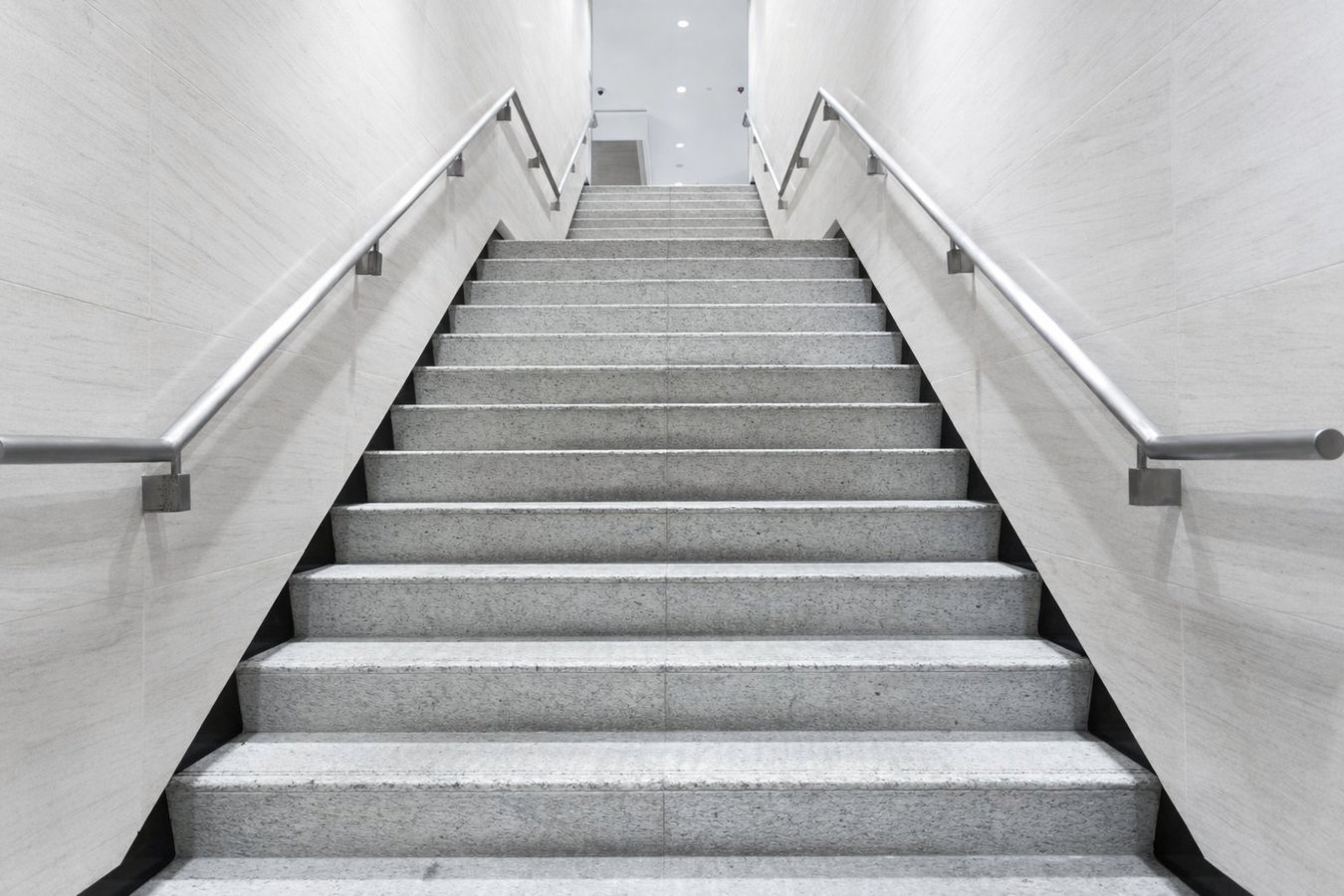
Cracked, sinking, or crumbling front steps? We build concrete steps in San Jacinto that handle clay soil movement and triple-digit heat - reinforced, permitted, and priced up front.
Concrete steps construction in San Jacinto means tearing out old crumbling steps if needed, digging and compacting a stable gravel base, forming and pouring reinforced concrete, and finishing to code - most residential jobs take one to two days of active work, with 24 to 48 hours off the steps before normal foot traffic.
Many San Jacinto homes built between the 1970s and 1990s have original concrete steps that are now cracking, tilting, or flaking after decades of heat cycles and clay soil movement. Patching can buy a little time, but once steps are sinking or structurally compromised, replacement with a proper base is the right call. A new set of steps also pairs naturally with slab foundation building if the surrounding area has also settled over the years.
California building rules require a handrail on at least one side when steps rise more than 30 inches above the ground or have four or more risers. The California Department of Housing and Community Development sets the residential building standards that govern step dimensions and handrail requirements - we build to those standards on every job.
Cracks wider than a hairline - especially ones that go all the way through a step or along the edge - mean the structural integrity of the concrete is compromised. In San Jacinto's clay-heavy soils, these cracks often start small after a wet winter and widen each summer as the ground dries and shifts. Once a crack is wide enough to catch your toe or let water in, replacement is almost always the smarter call.
If any step moves when you put your weight on it, or if the surface feels noticeably sloped to one side, the base underneath has shifted. This is a tripping hazard that gets worse over time, not better. In the San Jacinto Valley, this kind of settling is often caused by clay soil expanding and contracting through wet and dry seasons.
When the top layer of concrete breaks apart and leaves grit or small chunks on the ground, the surface has deteriorated past the point where patching helps. This kind of breakdown is common on older homes in the area whose steps were poured in hot weather without proper curing - something that happened often on homes built during the rapid development of the 1970s through 1990s.
If one step feels noticeably taller or shorter than the others, or if you catch your foot on the way up, the steps may have settled unevenly or were not built to consistent dimensions originally. Inconsistent step heights are one of the most common causes of trips and falls at home - especially for older family members or young children.
Every steps project starts with a free on-site estimate and a clear written quote that covers everything - demolition, base prep, forming, pouring, finishing, and permit fees. We handle front entry stairs, side entry steps, and backyard transitions from a patio to a lower yard. For a clean, connected look at your entry, we use the same finishing techniques as our concrete sidewalk building work, so your new steps and walkway can match exactly.
Standard front entry steps get a broom finish for traction and a clean, classic look. If you want something that stands out, we offer brushed texture or stamped finishes that can mimic stone or tile. We also flag handrail requirements during the estimate - if your steps need a railing under California building rules, we can include it in the same project rather than leaving it as an afterthought.
Poured-in-place concrete steps for the main entry of your home - consistent heights, broom or brushed finish, and built to California step dimensions.
A practical choice for homes where a side door or backyard patio sits above or below grade - reinforced for clay soil and built to last.
Stamped or textured finishes that match a pool deck or front walkway - for homeowners who want a cohesive look from the street to the door.
San Jacinto has a large share of homes built in the 1970s through 1990s, and many of those original concrete steps are now showing their age - crumbling edges, sunken landings, and flaking surfaces from decades of heat cycles. The valley's clay soils expand in wet winters and shrink in dry summers, which is the primary reason steps crack and tilt over time. We see this pattern regularly across San Jacinto and know exactly what base preparation it takes to prevent the same problem from happening again with a new set of steps.
Summer heat is the other major factor. Concrete poured at the wrong time of day in San Jacinto's triple-digit temperatures can crack at the surface before it ever fully cures. We serve homeowners across the valley, including Beaumont and Banning, where the same heat and clay soil conditions apply. Early morning pours and proper curing protection are how we make sure your new steps cure correctly, no matter what month the job runs.
Reach out by phone or online and we respond within 1 business day to schedule a free site visit. We measure the space, check the existing base, and give you a written estimate that covers labor, materials, demolition, and permit fees - no vague ranges.
For most attached concrete steps in San Jacinto, we pull a permit from the City of San Jacinto Building Division before any work begins. This typically adds a few days to a week to the timeline - and it means a city inspector will sign off on the finished work.
The crew breaks up and hauls away your existing steps. We dig out soft soil, compact a gravel base, and build a wooden form in the exact shape of your new steps. Steel reinforcing bars go inside the form before the concrete is poured.
In San Jacinto's summer heat, we schedule pours for early morning and apply a curing compound to protect the surface as it sets. After curing, a city inspector confirms the steps meet safety requirements - then we do a final walkthrough with you.
Free estimate, no pressure. We respond within 1 business day and give you a written quote before any work begins.
(951) 474-1097We pull every required permit with the City of San Jacinto Building Division before work begins. Your new steps are inspected and documented - which matters when you sell your home.
San Jacinto summers regularly hit triple digits, and concrete poured in extreme heat can crack before it cures. We schedule every summer pour for early morning and use curing compounds to slow evaporation - protecting your investment from day one.
We place steel reinforcing bars inside every set of steps we build. Combined with a compacted gravel base, this keeps your steps level and intact as the clay soils underneath shift through the seasons.
San Jacinto Concrete Company works throughout San Jacinto and the wider Inland Empire - from older neighborhoods near downtown to the newer subdivisions on the east side of town. We know the local soil, the permit office, and the housing stock.
Every set of steps we build is engineered for the clay soils, heat cycles, and seismic conditions specific to San Jacinto - not a generic Inland Empire pour. The American Concrete Institute publishes the standards for hot-weather concrete placement that guide how we time and protect every pour in San Jacinto's summer months.
If your steps are sinking because the ground underneath has given way, a stable slab foundation may be the fix that holds everything in place long-term.
Learn morePair your new front steps with a matching concrete walkway from the street to your entry for a clean, connected front approach.
Learn moreSpring and summer project slots fill quickly - reach out now for a free, written estimate before your preferred timeline books up.